





State Minimum Car Insurance Requirements
Car insurance laws vary across the United States, and failing to understand your state’s minimum coverage requirements can lead to legal trouble, financial loss, or even license suspension. Whether you’re researching California minimum car insurance, minimum car insurance in Florida, or New Hampshire car insurance rules, it’s important to know how laws differ so you can stay protected — and avoid costly penalties.
California Minimum Car Insurance Requirements
California follows a 25/50/15 liability rule, which means drivers must carry:
| Coverage Type | Minimum Requirement |
| Bodily Injury Liability (Per Person) | $15,000 |
| Bodily Injury Liability (Per Accident) | $30,000 |
| Property Damage Liability | $5,000 |
California also requires proof of insurance at all times, whether you’re pulled over or renewing registration. While these limits are legally acceptable, they’re quite low—especially in high-cost cities like Los Angeles or San Francisco. A single accident could exceed these limits, leaving you personally responsible for remaining expenses. Most experts recommend upgrading to 100/300/50 coverage for better protection.
Minimum Car Insurance in Florida
Florida is a no-fault state, which means insurers pay for their own policyholder’s injuries regardless of who caused the accident. The minimum coverage includes:
| Coverage Type | Minimum Requirement |
| Personal Injury Protection (PIP) | $10,000 |
| Property Damage Liability (PDL) | $10,000 |
Interestingly, Florida does not require Bodily Injury Liability (BIL) unless you have previous offenses or drive a taxi/rideshare. However, skipping BIL leaves you financially exposed if you injure someone in an accident. Many drivers upgrade voluntarily to protect against lawsuits.
New Hampshire Car Insurance — The Exception State
Unlike most states, New Hampshire does not require car insurance by law. However, this doesn’t mean drivers are free from responsibility. If you cause an accident and can’t prove financial ability to cover damages, you may face license suspension, wage garnishment, or even legal action.
If you choose to buy insurance (which most drivers still do), New Hampshire requires:
| Coverage Type | Minimum Requirement |
| Bodily Injury Liability (Per Person) | $25,000 |
| Bodily Injury Liability (Per Accident) | $50,000 |
| Property Damage Liability | $25,000 |
| Medical Payments Coverage | $1,000 |
| Uninsured Motorist Coverage | Same as liability limits |
So while insurance isn’t mandatory in New Hampshire, financial responsibility absolutely is.
Penalties for Driving Without Insurance
Wondering what happens if you don’t have car insurance? The consequences vary by state but can be severe—even for first-time offenders.
| State | Penalty for First Offense | Additional Consequences |
| California | $100–$200 fine | Vehicle impoundment, registration suspension |
| Florida | License and registration suspension until proof of insurance | $150–$500 reinstatement fees |
| New Hampshire | License suspension | Lawsuits for damages, mandatory SR-22 filing |
Repeated violations can lead to higher fines, criminal charges, or even jail time in some states.
Legal Obligations and Proof of Coverage
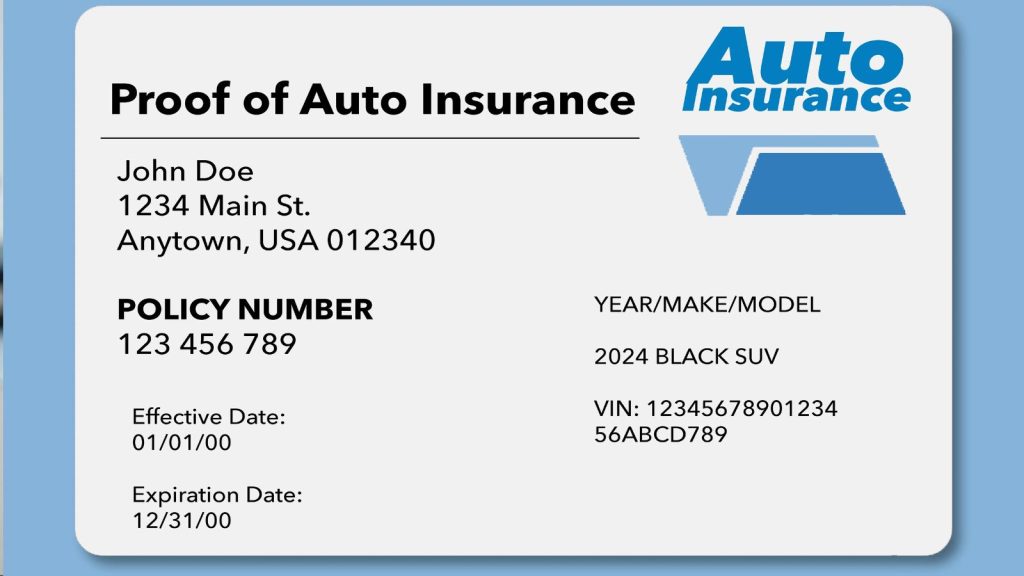
Every driver must carry proof of insurance—either a physical card or digital copy. Most states now accept electronic proof on smartphones, making it easier to stay compliant.
You’ll typically need to show proof:
- During traffic stops
- After accidents
- When registering or renewing a vehicle
- At DMV hearings
If you can’t provide it on the spot, some states allow a short grace period to submit it—but failing to do so still leads to fines or suspension.
How State Laws Affect Your Rates?
Insurance isn’t priced equally across the country. State regulations heavily influence your premiums. For example:
- No-fault states like Florida often have higher rates because insurers must pay regardless of fault.
- States with high minimum liability limits (like Alaska or Maine) tend to have costlier base policies.
- States with insurance leniency (like New Hampshire) may still have high rates due to increased risk of uninsured drivers.
Even within the same state, factors like ZIP code, credit score, and driving history affect pricing. For instance, living in a high-theft city could raise your premium even if you meet only minimum requirements.
Conclusion
While understanding state minimum car insurance is essential for legal compliance, it’s equally important to recognize when minimum isn’t enough. Medical bills and vehicle repairs can easily surpass basic liability limits, leaving you personally liable.