




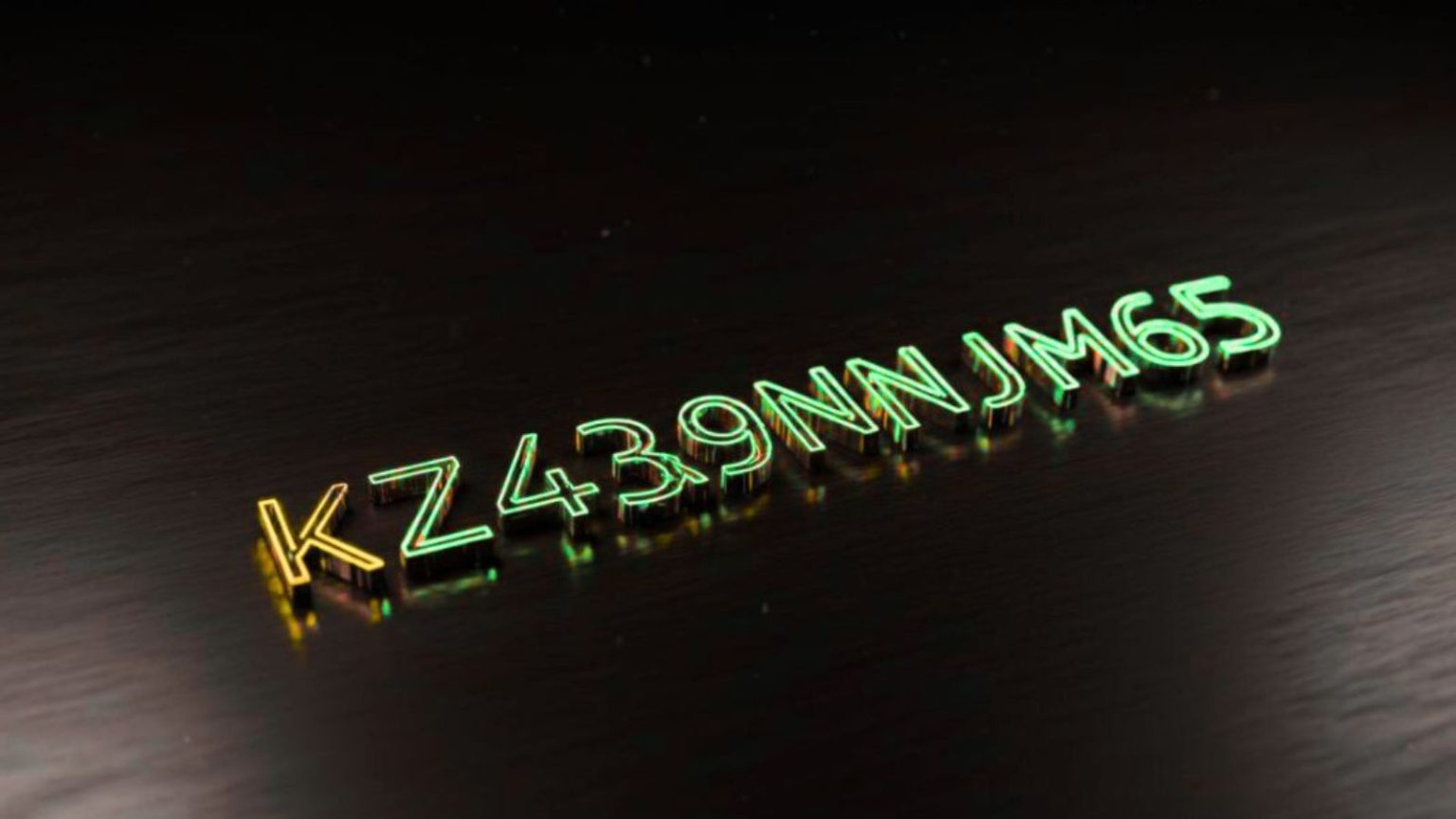
In the fast-growing world of digital technology, unique codes, encrypted strings, and complex identifiers play a crucial role in securing data, verifying user access, and managing digital operations. One such mysterious alphanumeric string that has sparked curiosity is Kz43x9nnjm65. At first glance, it looks like a random sequence of characters. However, in the digital landscape, strings like Kz43x9nnjm65 often hold significant functions behind the scenes.
This guide breaks down everything about Kz43x9nnjm65—what it could represent, how such codes are used, and the real-world applications where similar identifiers shape technology, security, and online systems.
What Is Kz43x9nnjm65?
Kz43x9nnjm65 is likely a unique digital identifier, access token, or encrypted string used within a technology platform, system, or online service. While no specific system publicly associates itself with this exact code, strings like these are frequently used for:
- API authentication
- Database reference IDs
- Product or transaction tracking
- Secure access keys
- Encrypted dataset representation
- System-generated user codes
- Cloud platform identifiers
In many cases, these identifiers operate silently in the background, allowing websites, apps, servers, and financial systems to run smoothly and securely.
Why Codes Like Kz43x9nnjm65 Matter in Technology
Modern digital systems depend heavily on non-human-readable identifiers. Unlike readable codes such as usernames or product names, alphanumeric strings like Kz43x9nnjm65 are:
- Harder to duplicate
- More secure
- Difficult to guess
- System-generated for accuracy
- Efficient for databases and APIs
Their structure helps protect sensitive information and maintain system integrity, especially in high-security environments.
Possible Uses and Functions of Kz43x9nnjm65
Since Kz43x9nnjm65 resembles many types of backend system codes, let’s explore the most likely functions it could serve in the digital world.
1. Unique Identifier for Databases
In databases and cloud platforms, every entry requires a unique key to:
- Identify users
- Track transactions
- Organize data
- Manage relationships between tables
Kz43x9nnjm65 fits the typical pattern used by platforms like:
- MySQL
- PostgreSQL
- MongoDB
- Firebase
- Cloud storage systems
These identifiers ensure no two records clash, keeping data clean and organized.
2. API Key or Access Token
APIs (Application Programming Interfaces) use secrets like Kz43x9nnjm65 to authenticate requests. Without these keys, apps cannot:
- Download data
- Upload files
- Communicate with servers
- Access protected endpoints
Such keys prevent unauthorized access and secure sensitive operations.
3. Session Token for Login Security
When users log into websites, the system often generates unique session tokens to verify identity. These codes:
- Track sessions
- Prevent unauthorized access
- Verify active users
Kz43x9nnjm65 could function as a temporary session identifier that expires after logout or inactivity.
4. Encrypted or Obfuscated Data
In security-focused systems, sensitive data is not stored in plain text. Instead, it may be encoded or hashed into strings like Kz43x9nnjm65. These may represent:
- Password hashes
- Encrypted user IDs
- Encoded system references
This enhances security and privacy.
5. Tracking Number for Products or Orders
In e-commerce and logistics, companies use unique alphanumeric codes to track:
- Order status
- Delivery routes
- Inventory movements
- Product identification
Kz43x9nnjm65 could be used within:
- Shipping labels
- Return authorizations
- Warehouse databases
These identifiers help businesses maintain accuracy and transparency.
6. Cloud Resource Identifier
Cloud platforms such as AWS, Google Cloud, and Azure assign unique IDs to:
- Virtual machines
- Storage buckets
- Databases
- User accounts
- Security tokens
Kz43x9nnjm65 would fit perfectly as a resource identifier within a cloud architecture.
7. License Key or Activation Code
Software providers create unique keys to activate or verify licenses. These keys prevent illegal use and protect intellectual property. Kz43x9nnjm65 could be:
- A product key
- A subscription identifier
- An activation code
- A verification token
8. Digital Asset or Blockchain Reference
Blockchain systems use long identifiers to represent:
- Wallet addresses
- Transactions
- Smart contract IDs
- NFT metadata
While Kz43x9nnjm65 is shorter than typical blockchain hashes, it could still function as an off-chain asset ID or internal reference.
Why Codes Like Kz43x9nnjm65 Look So Random
Random-looking codes reduce predictability, which improves:
Security
They prevent brute-force attacks and unauthorized system entry.
Accuracy
System-generated codes avoid duplication and human error.
Efficiency
Short alphanumeric codes load faster and take less memory space than long descriptions.
Compatibility
These codes can be recognized across:
- APIs
- Databases
- UI dashboards
- Backend systems
Without identifiers like Kz43x9nnjm65, modern digital systems would slow down significantly.
Real-World Examples of How Similar Codes Are Used
To understand Kz43x9nnjm65 better, here are real-world examples where similar codes play important roles:
Example 1: Amazon Order Tracking
An Amazon order might have a tracking ID such as:
AZX29873KLJ
This functions exactly like Kz43x9nnjm65 by uniquely identifying a customer shipment.
Example 2: API Authentication Key
A service like Google Maps API uses keys like:
AIzaSyC9k34NxXdf…
These secure access tokens enable apps to fetch map data.
Example 3: Software Activation
A Windows license might look like:
KM43N-9WJ65-PLQ38
This resembles Kz43x9nnjm65 in purpose—allowing authorized software use.
Example 4: Database Record ID
A MongoDB entry might use:
5f8d04b0dc2937a…
This uniquely identifies a stored record, just like Kz43x9nnjm65 likely does.
Example 5: Session Token for Login Security
When logging into a bank account, a session token such as:
sjh32nd7fdh83ncx91
is generated temporarily to validate your actions securely.
Kz43x9nnjm65 could be a similar secure session reference.
Benefits of Using Codes Like Kz43x9nnjm65
These identifiers provide multiple advantages:
Enhanced Security
Prevents unauthorized access, fraud, and data breaches.
Fast Processing
Easy for systems to generate, store, and retrieve.
Consistency Across Systems
Standard coding formats integrate smoothly with APIs and databases.
Precision
Ensures accurate tracking, identification, and referencing.
FAQs About Kz43x9nnjm65
1. What exactly is Kz43x9nnjm65?
It is most likely a unique identifier, token, or encrypted reference used within a digital system for tracking, authentication, or data management.
2. Is Kz43x9nnjm65 a password?
Not necessarily. While it could be used as a key or token, such strings more commonly act as system-generated IDs, not human-created passwords.
3. Is Kz43x9nnjm65 safe to share publicly?
If it is a real identifier linked to an active system, it should not be shared. However, in a general context like this, the code is harmless.
4. Where are codes like Kz43x9nnjm65 commonly used?
They appear in:
- Databases
- APIs
- Cloud platforms
- Tracking systems
- Encrypted data structures
- Software licenses
5. Can Kz43x9nnjm65 be traced?
Not without knowing the system it belongs to. On its own, it cannot reveal any personal or sensitive information.
6. Why do systems use codes that look random?
To ensure high security, prevent guessing, and maintain database uniqueness.
7. Could Kz43x9nnjm65 belong to a blockchain or crypto asset?
Possibly, though blockchain IDs are usually longer. It could represent an off-chain reference or internal token.
Conclusion
Although Kz43x9nnjm65 may seem like a meaningless collection of characters, it represents a powerful concept in modern technology. These alphanumeric strings are the backbone of security, tracking, digital identification, and system accuracy. Whether used as an access key, unique ID, tracking number, or encrypted reference, codes like Kz43x9nnjm65 keep digital platforms running smoothly and securely.
As technology continues to evolve, such identifiers will play an even more essential role in managing data, enhancing security, and improving digital user experiences.