



Car accidents don’t always result in visible injuries — but pain and symptoms can appear hours or even days later. Whether you’re experiencing back pain, neck stiffness, or concussion symptoms, it’s important to understand what your body is telling you and how your injuries may impact a potential compensation claim.
This guide covers common post-accident injuries, recovery steps, and how to connect your medical treatment to legal protection.
Common Injuries After Car Accidents
Not every injury involves broken bones — in fact, soft tissue damage is the most common outcome of a collision. Even low-speed crashes can cause muscle strain, inflammation, and nerve damage.
Common injuries include:
| Injury Type | Symptoms | Severity Range |
| Whiplash | Neck stiffness, headaches, shoulder pain | Mild to severe |
| Back Strain / Spinal Injury | Lower or upper back pain, limited movement | Temporary to chronic |
| Concussion | Dizziness, memory issues, nausea | Can be life-threatening if ignored |
| Bruises & Soft Tissue Injuries | Swelling, tenderness, soreness | Heals in days or weeks |
| Fractures or Dislocations | Sharp pain, swelling, visible deformity | Requires immediate care |
Back and Neck Pain After a Crash
One of the most reported injuries is car accident back pain. Even if your back only feels sore at first, it may indicate:
- Muscle strain or ligament sprain
- Bulging or herniated discs
- Nerve compression or sciatica
- Spinal misalignment
Pain may worsen hours or days later, especially if inflammation builds up. If your back hurts from a car accident, do not ignore it — untreated spinal injuries can turn into long-term disability.
Concussion and Head Trauma Symptoms
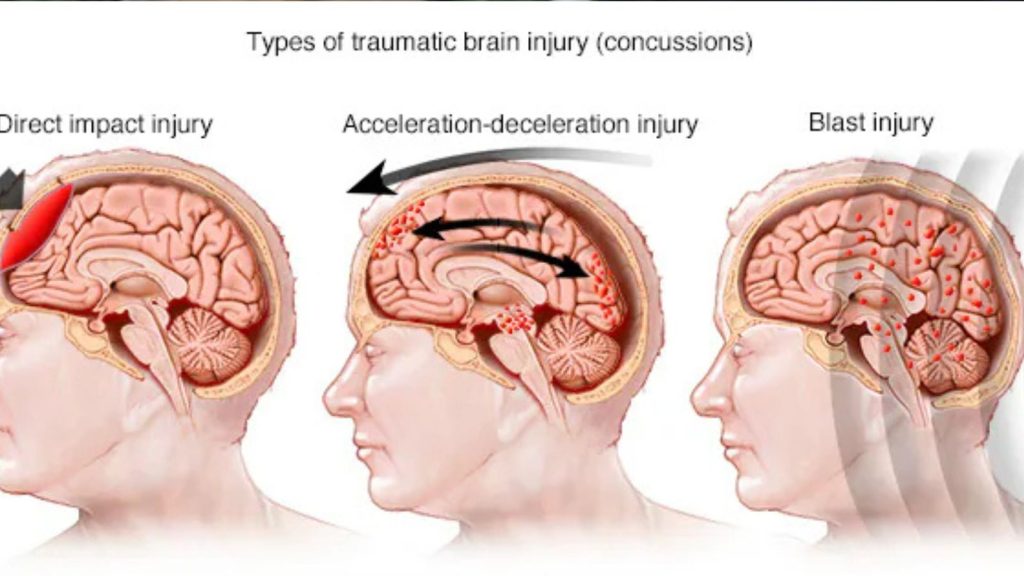
You don’t need to hit your head to get a concussion from a car accident. Sudden movement can cause the brain to jolt inside the skull, leading to neurological symptoms such as:
- Headache or pressure in the head
- Blurred vision or light sensitivity
- Confusion, dizziness, or “brain fog”
- Nausea or vomiting
- Fatigue or mood changes
If any of these symptoms appear — even days later — seek medical attention immediately. Untreated concussions can lead to permanent cognitive damage.
Review recent car accident cases and legal filings.
When to Seek Medical Help
Always get evaluated by a doctor after an accident, even if symptoms seem mild. You should see a physician immediately if you experience:
Persistent back or neck pain
Headaches, dizziness, or nausea
Numbness or tingling in hands, arms, or legs
Difficulty walking, focusing, or sleeping
Delaying treatment can not only slow recovery, but it can also weaken your injury claim later. Insurance companies may argue that your injuries are not serious if you didn’t seek prompt care.
Linking Injuries to Compensation Claims
Medical documentation plays a crucial role in accident settlements. If your car accident sore back or concussion symptoms are properly diagnosed and treated, You need to find car accident lawyer, Your lawyer can prove that:
The injury was directly caused by the crash
You required medical care, therapy, or medication
You suffered pain, missed work, or lost quality of life
This strengthens your eligibility for car accident compensation, including:
- Medical bills (current and future)
- Lost wages
- Pain and suffering damages
- Rehabilitation and long-term care
Conclusion
Recovery after a car accident is not just about physical healing — it’s about protecting your health, financial stability, and legal rights. Whether you’re dealing with back pain after a car accident or concussion symptoms, don’t wait for things to “get better on their own.”
Return to the main car accident guide for complete steps.