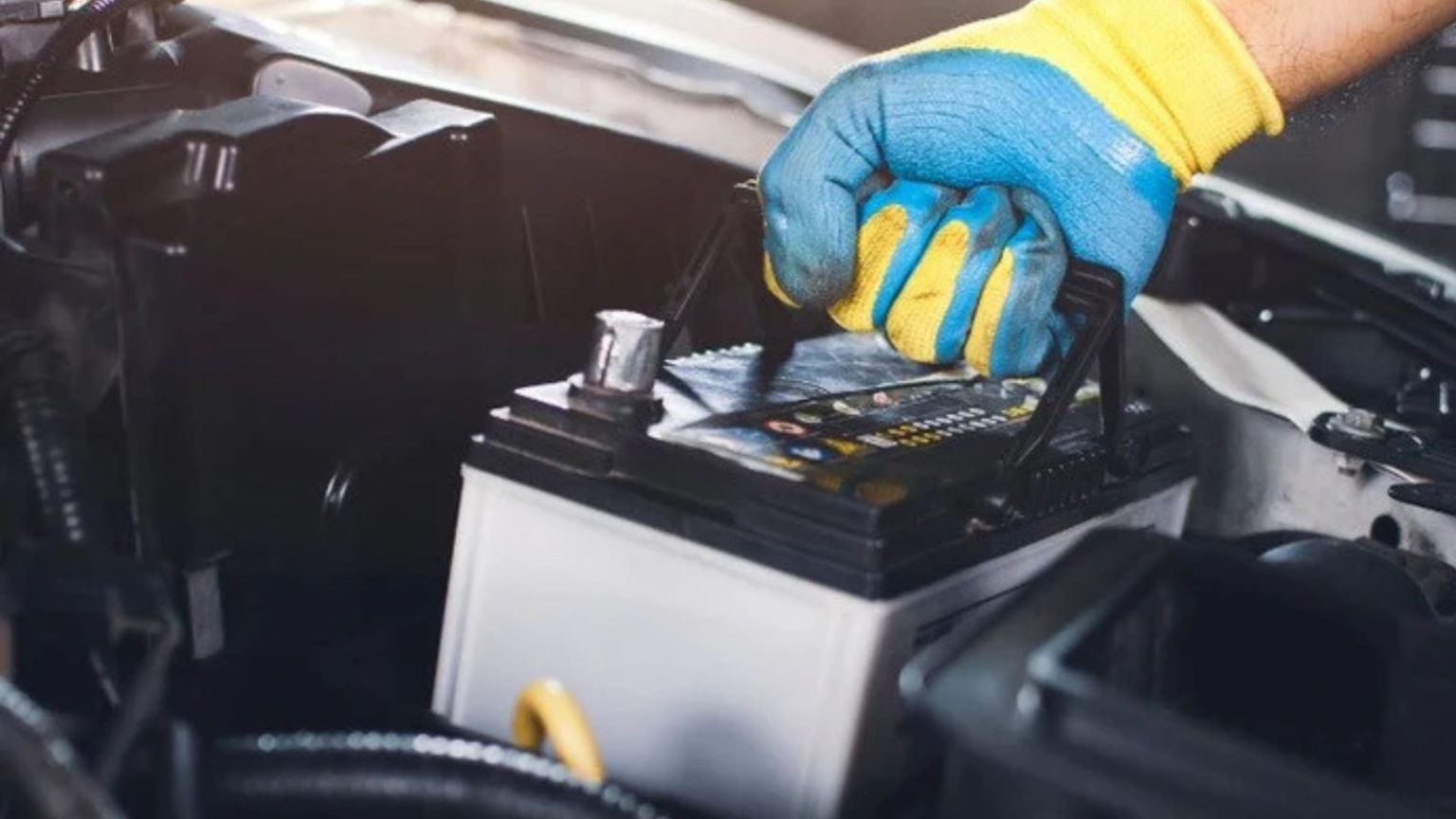
Car battery problems are among the most common issues vehicle owners face. From sudden failures to recurring drainage, these problems can leave you stranded without warning. Understanding why your car battery keeps dying, how to clean corrosion, and how to prevent future issues can save you from costly repairs and breakdowns.
This guide covers the latest 2025 tips and techniques to diagnose, fix, and maintain your car battery for optimal performance.
Why Does My Car Battery Keep Dying
A car battery that keeps dying usually signals an underlying electrical or maintenance issue. The most common reasons include:
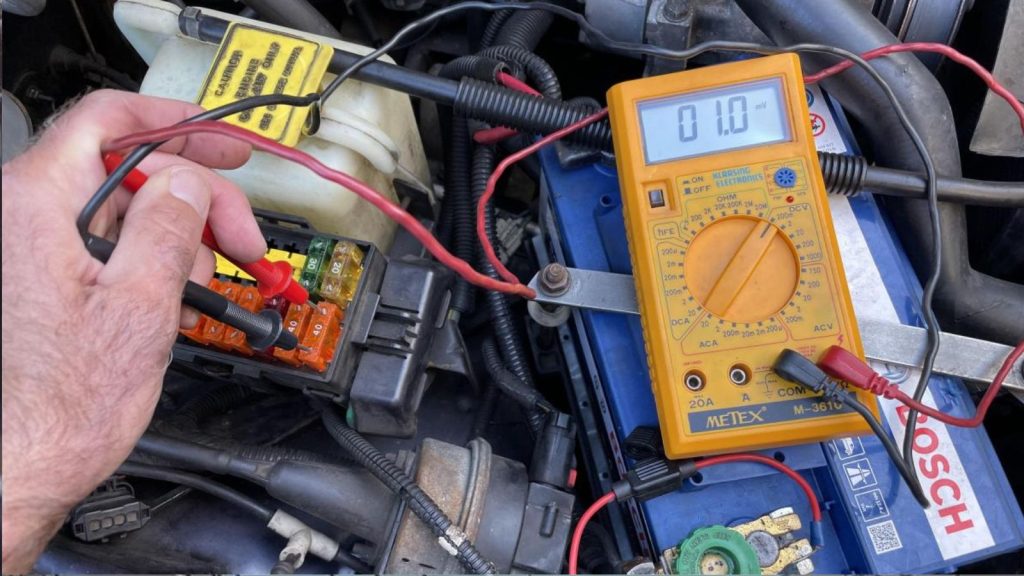
- Parasitic Drain: Modern cars have dozens of sensors, cameras, and onboard systems that stay active even when the car is off. A malfunctioning device (like a stuck relay or faulty light) can drain the battery overnight.
- Old Battery Age: Most car batteries last 3–5 years. If yours is older, capacity naturally decreases.
- Extreme Temperatures: Heat causes fluid evaporation, while cold slows chemical reactions — both reduce efficiency.
- Short Trips & Irregular Driving: Batteries recharge while driving. Short or infrequent trips prevent full recharging.
- Corroded or Loose Connections: Poor connections increase resistance, reducing power delivery and charging.
Pro Tip: Use a battery tester or multimeter once a month. A healthy battery should read 12.6 volts or higher when fully charged.
What Drains a Car Battery?
Aside from obvious causes, several subtle things can drain your battery faster than you think:
- Leaving Electronics On: Headlights, interior lights, or even phone chargers can pull power after shutdown.
- Faulty Alternator: If your alternator isn’t charging properly, your battery will deplete even while driving.
- Aftermarket Accessories: Dash cams, GPS units, or subwoofers that draw continuous power can cause slow drainage.
- Temperature Swings: Batteries lose up to 35% of their strength in freezing weather and degrade faster in hot climates.
- Dirty Terminals: Corrosion builds resistance and reduces current flow.
Quick Fix: Unplug unnecessary devices, inspect fuses, and have the alternator output tested (13.7–14.7 volts) with the engine running.
How to Clean Car Battery Terminals
Clean terminals are vital for proper current flow. Here’s how to safely clean them:
- Turn off the car and remove the key.
- Disconnect the negative (-) cable first, then the positive (+) cable.
- Mix baking soda and warm water to create a mild cleaning solution.
- Scrub terminals using a wire brush or old toothbrush until shiny.
- Rinse and dry thoroughly.
- Reconnect cables — positive first, then negative.
Pro Tip: Apply petroleum jelly or battery terminal protectant spray to prevent future corrosion and moisture buildup.
How to Remove Corrosion from a Car Battery
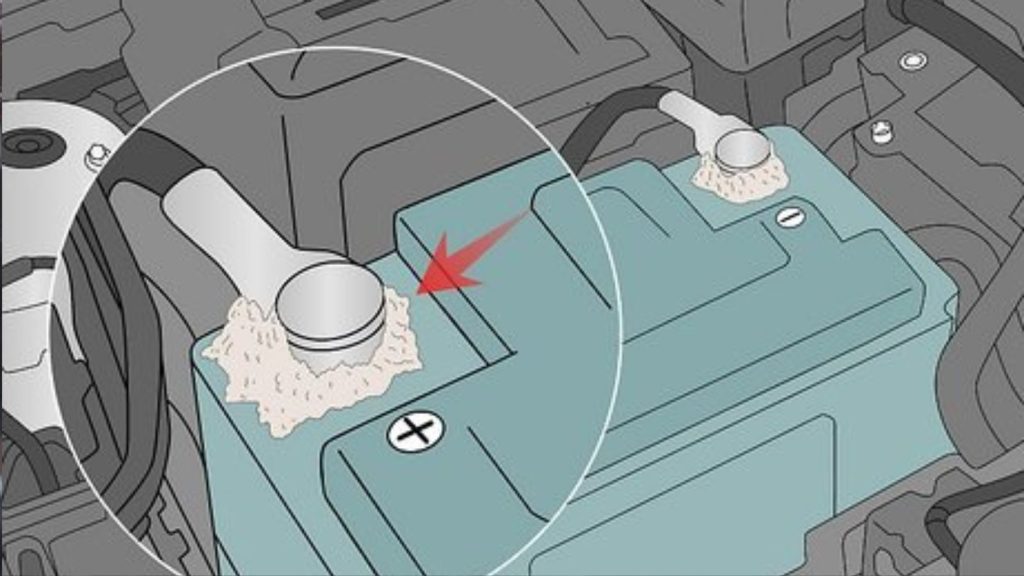
Corrosion appears as a white, green, or bluish powdery buildup on the terminals. This buildup can block energy flow, causing starting problems.
Best modern methods (2025 updates):
- Use a battery cleaning spray — available at most auto stores — for faster, acid-neutralizing results.
- Avoid using cola (an old trick) as it can leave sticky residue that attracts dirt.
- Check for leaks — corrosion near the posts may mean the battery is leaking acid and needs replacement.
- Replace damaged cables or clamps immediately if corrosion has eaten into the metal. Also learn here how to reIplace your battery, if can’t be fixed.
Safety Note: Always wear gloves and safety glasses. Battery acid can burn skin and damage clothing.
How to Prevent Future Battery Problems
Preventive maintenance can extend your battery’s life well beyond the average 4-year mark. Follow these expert-backed tips:
- Drive at least 20–30 minutes weekly: Keeps your alternator active and battery fully charged.
- Check voltage monthly: Abnormal voltage could mean deeper issues. Use a Volt meter & also take full guide Car Battery Voltage.
- Inspect cables and clamps: Replace if frayed, loose, or oxidized.
- Park indoors or use insulation: Protect your battery from extreme temperature changes.
- Keep terminals coated: Use anti-corrosion grease or pads to prevent buildup.
- Replace before total failure: Don’t wait until it dies — replace once voltage drops consistently below 12.4 volts.
Pro Tip: Smart battery maintainers (like NOCO Genius or CTEK models) keep batteries charged during long parking periods — ideal for winter or hybrid vehicles.
FAQ: Car Battery Maintenance & Safety
Q1. How often should I check my car battery?
At least once a month, especially before long trips or seasonal temperature changes.
Q2. Can a car battery recharge itself?
No. The alternator recharges it only when the engine is running. A fully dead battery needs external charging or jump-starting.
Q3. How do I know if corrosion is dangerous?
If corrosion reaches battery posts or wiring, it can lead to voltage drops and short circuits — clean it immediately.
Q4. Can jump-starting damage my car battery?
Frequent jump-starts can stress the battery and alternator. If you’re jump-starting often, the battery likely needs replacement.
Q5. What’s the ideal storage method for unused vehicles?
Disconnect the negative cable or attach a smart trickle charger to maintain a steady voltage.
Final Thoughts
Modern vehicles rely more than ever on stable battery performance — not just for ignition, but for safety, infotainment, and driver-assist systems.
By understanding why batteries fail, how to clean and maintain them, and how to prevent future issues, you can ensure reliability in every drive.