



Whether you’re asking “Can someone else drive my car?” or “Can I drive someone else’s car?” — the answer depends on insurance rules, state laws, and rental agency policies. Letting the wrong person behind the wheel could leave you financially responsible for damages — even if you weren’t driving.
Below, we break down who is legally allowed to drive your car, how insurance coverage applies to friends and family, and what rental car companies like Enterprise and Hertz require for additional drivers and out-of-state travel.
Insurance Rules for Other Drivers
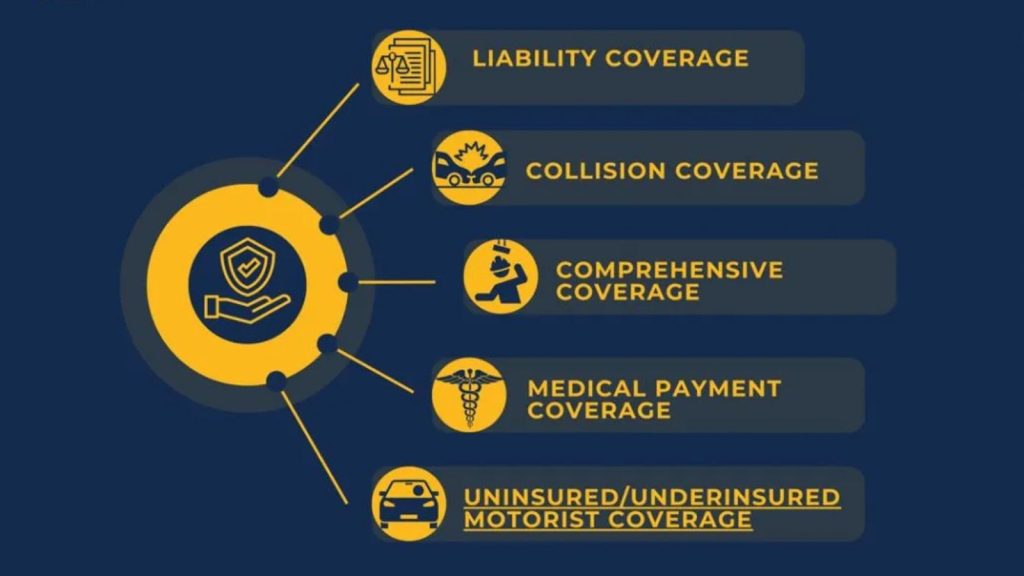
Most car insurance policies include “permissive use” coverage, which means:
If you give someone permission to drive your car, your insurance usually covers them.
If the person is excluded from your policy or unlicensed, coverage is denied.
| Situation | Are They Covered? | Who Pays in an Accident? |
| You let a licensed friend drive occasionally | Yes (permissive use) | Your insurance first |
| Someone drives your car without permission | No | Their insurance, or you personally |
| You let an unlicensed or suspended driver use your car | Never covered | You are fully liable |
| You regularly allow someone to drive but don’t list them on your policy | Risky — claim may be denied | You may be penalized |
Important: Even if you were not behind the wheel during a crash — the owner of the car is usually held responsible first.
Family, Friends, and Named Driver Policies
Insurance companies treat family and household drivers differently from friends:
- Family Members (Living in Your Household) — They must be listed on your policy, even if they rarely drive. If they aren’t listed and get into an accident, insurers can deny the claim.
- Friends or Occasional Drivers — Covered under permissive use, but only for infrequent driving. If they drive regularly, add them as named drivers.
- Teenagers or Elderly Parents — These drivers may be classified as high-risk, so your insurance company may increase premiums or restrict access.
Best Practice: If anyone drives your car more than once per month, add them as a named driver to prevent claim disputes.
Rental Car Age Limits (Enterprise & Other Agencies)
Can a 19-year-old drive a rental car from Enterprise?
Yes, but with restrictions. Most U.S. rental agencies — including Enterprise, Hertz, Avis, and Budget — allow rentals starting at age 21, but some locations permit 18–20-year-olds for an additional young driver fee.
| Company | Minimum Age | Additional Young Driver Fee |
| Enterprise | 21 (Some states allow 18+) | $25–$40/day |
| Hertz | 20 (18 in select states) | $30/day |
| Avis | 21 (18 with certain membership programs) | $27–$35/day |
| Turo (Peer-to-Peer Rentals) | 18 or 21 depending on vehicle type | Variable |
Commercial & Premium Vehicles (SUVs, luxury cars, cargo vans) often require 25+ years of age, regardless of policy.
Driving Rental Cars Out of State – Legal Requirements
Most rental agencies allow you to drive out of state, but you must check your contract first.
Allowed: Driving across state lines for personal or business use
Not Allowed Without Permission: Driving into Mexico, Canada, or restricted zones
Failing to follow these restrictions can result in:
- Voided insurance coverage
- Penalty fees
- Vehicle tracking alerts leading to repossession
Tip: Always inform the rental company of your travel plans — especially for long-distance trips.
Does My Insurance Cover Additional Drivers on a Rental Car?
If you have full coverage (liability + collision + comprehensive) on your personal policy, it may extend to rental cars—but only for you, not automatically for additional drivers.
To legally allow someone else to drive your rental:
- Add them as an additional driver at the rental counter (fees range from $10–$20/day).
- Ensure they meet the same age and license requirements.
- If your personal insurance doesn’t extend to rental coverage, purchase the agency’s Collision Damage Waiver (CDW).
How to Add Additional Drivers to Your Insurance
If multiple people will be driving your personal vehicle regularly, follow this process:
- Contact your insurance provider and request a named driver update.
- Provide license number, age, and driving history of the person you want to add.
- Expect a possible premium increase if the driver is young or high-risk.
- Get written confirmation to ensure they are officially covered.
Never assume someone is covered just because they’re family or close to you. Insurance companies only protect what is documented.
Final Recommendation
- Yes — you can let others drive your car, but only if they are licensed and permitted under your policy.
- You can drive someone else’s car only with their permission and under permissive use rules.
- Rental cars have stricter age and documentation requirements — especially for drivers under 25.
- Letting someone uninsured or unapproved drive your vehicle can put you at full financial risk.
Before handing over your keys — or getting behind someone else’s wheel — verify insurance coverage first. A 2-minute phone call can save thousands in legal or repair costs.